


-
2026 Radar Prime Slalom Ski Boot
Vendor:RadarRegular price $349.99 AUDRegular price -
2025 HO Stance 110 Front Plate Boot
Vendor:HORegular price $349.99 AUDRegular price -
2024 HO Stance 130 Plate Front Boot
Vendor:HORegular price $300.00 AUDRegular price$399.99 AUDSale price $300.00 AUDSale -
2021 HO FreeMax Mens Front Plate Boot
Vendor:HORegular price $299.99 AUDRegular price -
2024 Radar TRA Slalom Ski Boot
Vendor:RadarRegular price $279.99 AUDRegular price$349.99 AUDSale price $279.99 AUDSale -
2026 Radar Vector BOA ARTP Slalom Ski Boot
Vendor:RadarRegular price $249.99 AUDRegular price -
2017 HO Freemax DC Front Boot
Vendor:HORegular price $249.95 AUDRegular price -
2026 Radar ARTP Slalom Ski Boot
Vendor:RadarRegular price $199.99 AUDRegular price -
2025 HO Womens Stance ARTP
Vendor:HORegular price $199.99 AUDRegular price -
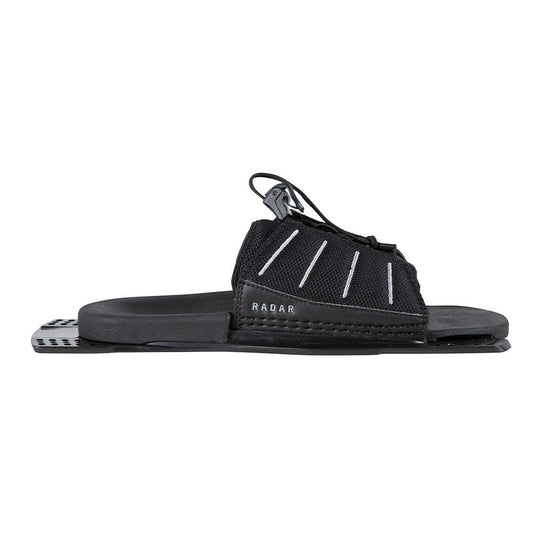
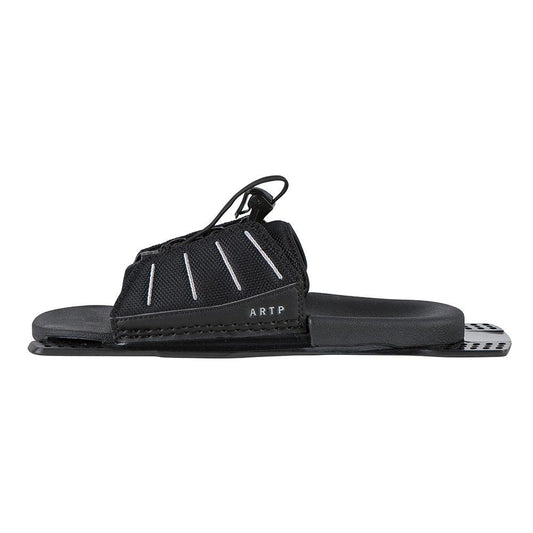 Sale
Sale2024 Radar ARTP
Vendor:RadarRegular price $149.99 AUDRegular price$199.00 AUDSale price $149.99 AUDSale

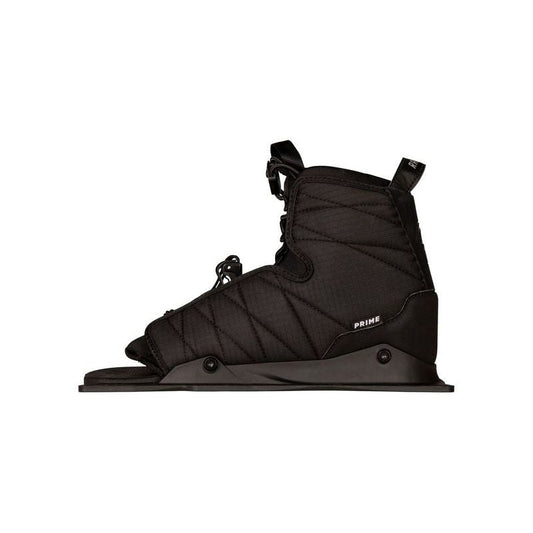

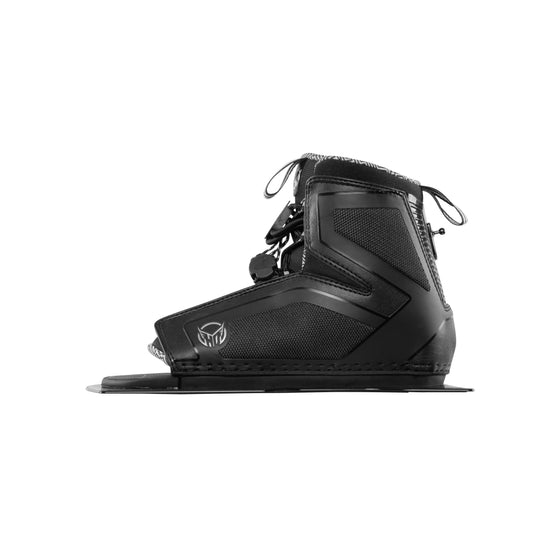


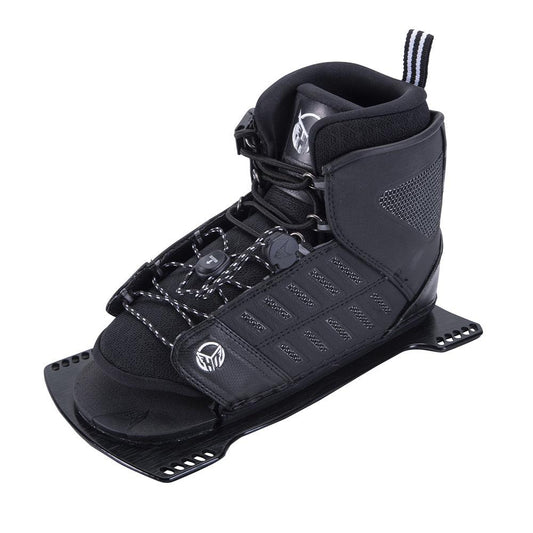
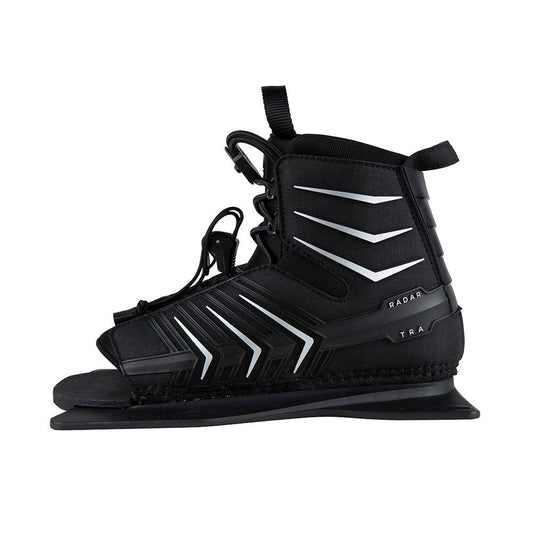

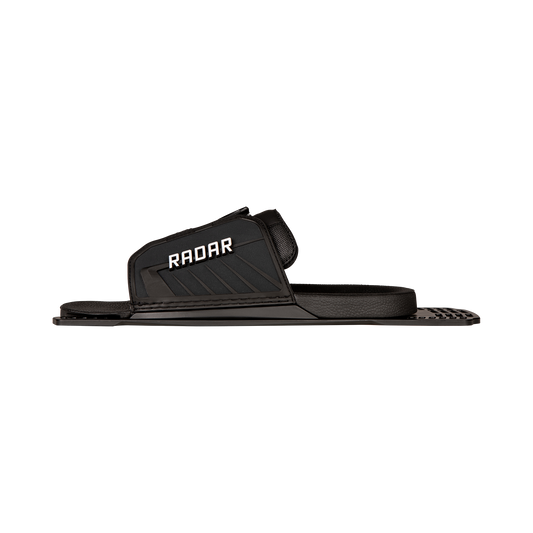


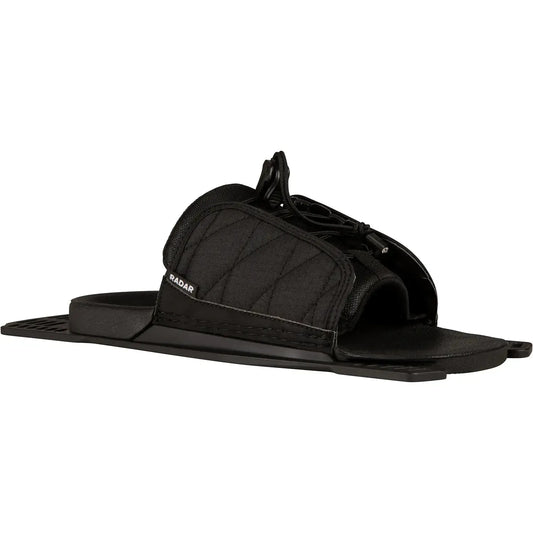
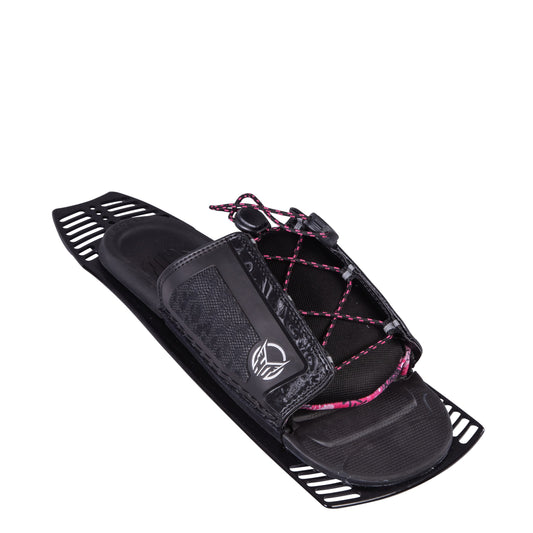
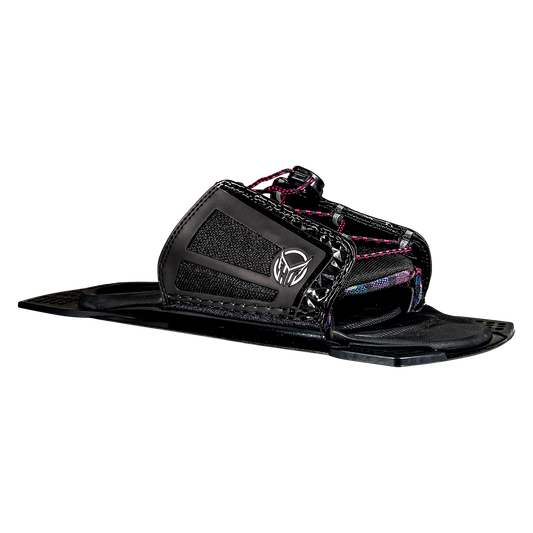
Performance Slalom Ski Boots for Every Level
Find your perfect fit with our curated range of slalom ski boots from the world's leading waterski brands — Radar and HO. Whether you're carving your first buoy course or chasing tournament times, we stock boots engineered to deliver precision, power transfer, and all-day comfort on the water.
Why Boot Choice Matters in Slalom Skiing
In slalom skiing, your boot is the critical link between your body and the ski. A well-fitted, performance-tuned boot improves edge control, reduces energy loss, and helps you hold your line through tight turns. The wrong boot can cost you time and increase fatigue — the right one becomes an extension of your body.
What's in This Collection
- Radar Carbitex Series — Featuring Carbitex OmniFlex and CX6 carbon fibre uppers for elite stiffness-to-weight ratios. Available in Wrap Tech Levels 2–4 and BOA Fit System for micro-adjustable, on-the-fly lacing. Options include the Vapor, Vector, and Lyric models across front and rear boot configurations, with Feather Frame 2.0 or Aluminum Plate chassis.
- Radar Vector BOA — A versatile mid-range performer with BOA lacing, Wrap Tech Level 2, and Feather Frame 2.0 chassis. Available in front and rear boot options.
- Radar TRA — Entry-level slalom boot with Wrap Tech Level 1, Molded 3D Tongue, and Feather Frame Chassis. Ideal for developing skiers stepping into dedicated slalom gear.
- Radar Prime Rear — A lightweight rear boot option with Feather Frame 2.0 and a soft density footbed for comfort-focused riders.
- HO Stance 130 — A high-performance plate boot featuring the ATOP Reel Lacing System, Flex Index 130, Full-Wrap Upper Cuff, SBR Closed Cell Foam Liner, 175mm cuff height, 15° forward lean, and a High Strength 6061 Aluminium Plate. Available as a front plate boot or full plate setup.
Key Technologies Across the Range
- BOA & ATOP Lacing Systems — Dial-in your fit quickly and precisely, even with wet hands.
- Carbitex Carbon Fibre — Lightweight, directionally flexible carbon that maximises energy transfer without sacrificing comfort.
- Wrap Tech Levels 1–4 — A tiered stiffness system so you can match boot flex to your skiing style and ability.
- Feather Frame & Aluminium Plates — Chassis options ranging from lightweight composite to stiff aluminium for tournament-level response.
- Molded 3D Tongue & Dual Density Liners — Anatomical shaping and premium foam for a locked-in, blister-free feel.
How to Choose the Right Slalom Boot
Consider your skill level, skiing frequency, and how much stiffness you want. Beginners and intermediate skiers typically benefit from softer flex (Wrap Tech Level 1–2) for easier entry and forgiveness. Advanced and competitive skiers should look at Level 3–4 or carbon Carbitex options for maximum power transfer. Pair your front boot with a compatible rear boot or toe plate for a complete setup.
All boots ship fast from our Australian warehouse. Need help choosing? Our team knows this gear inside out — reach out anytime.