


-
2026 Dup BPM Pro Wakeboard
Vendor:DUPRegular price $991.20 AUDRegular price$1,239.00 AUDSale price $991.20 AUDSale -

 Pre-Order
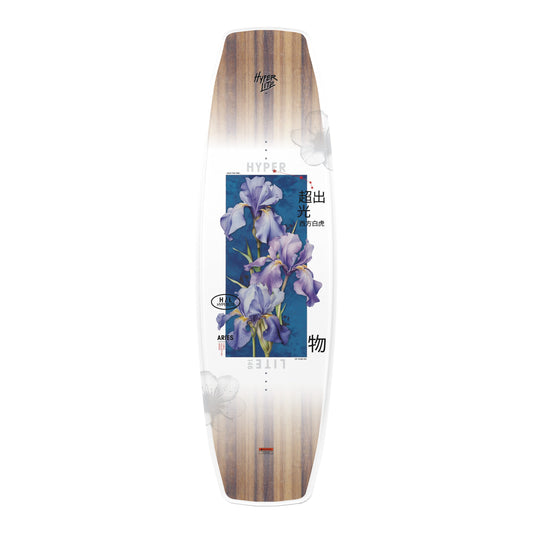
2027 Hyperlite Aries Wakeboard
Vendor:HyperliteRegular price $1,099.99 AUDRegular price -
2026 Double Up Delta Co. C.D.P. Wakeboard
Vendor:Double UpRegular price $1,099.99 AUDRegular price -
2026 Double Up N01 C.D.P. Wakeboard
Vendor:Double UpRegular price $1,099.99 AUDRegular price -
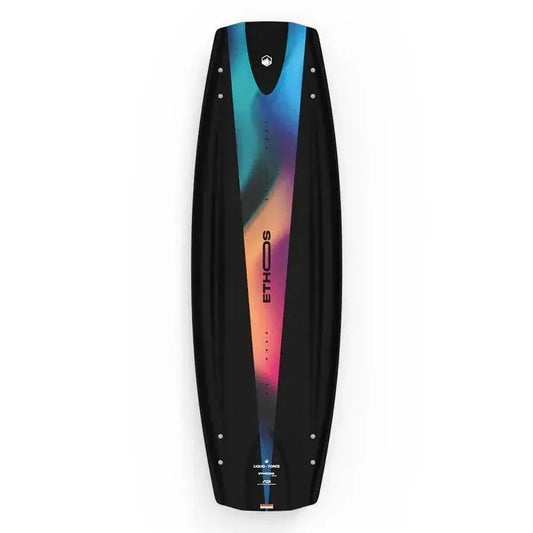
2026 Liquid Force Ethos Wakeboard
Vendor:Liquid ForceRegular price $879.99 AUDRegular price$1,099.99 AUDSale price $879.99 AUDSale -

 Pre-Order
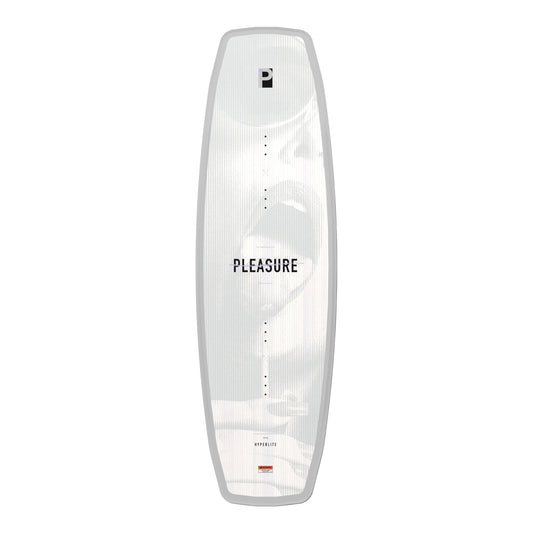
2027 Hyperlite Pleasure Wakeboard
Vendor:HyperliteRegular price $1,099.99 AUDRegular price -

 Pre-Order
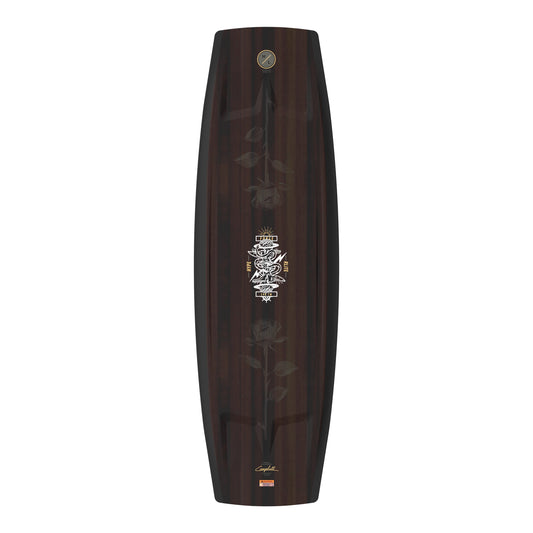
2027 Hyperlite Forge Wakeboard
Vendor:HyperliteRegular price $1,099.99 AUDRegular price -

 Pre-Order
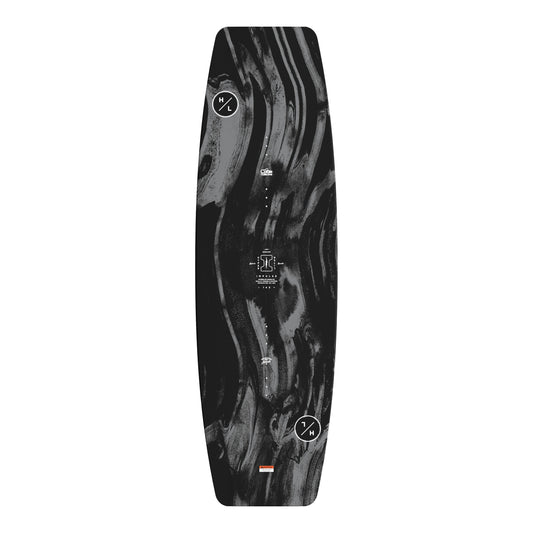
2027 Hyperlite Impulse Wakeboard
Vendor:HyperliteRegular price $949.99 AUDRegular price -

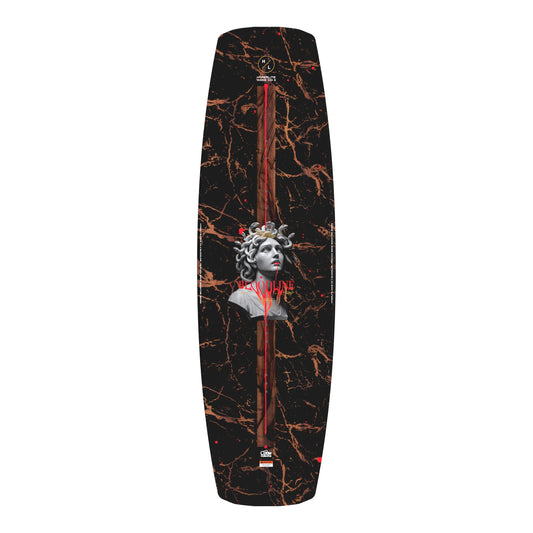 Pre-Order
2027 Hyperlite Bloodline Wakeboard
Vendor:HyperliteRegular price $1,199.99 AUDRegular price -
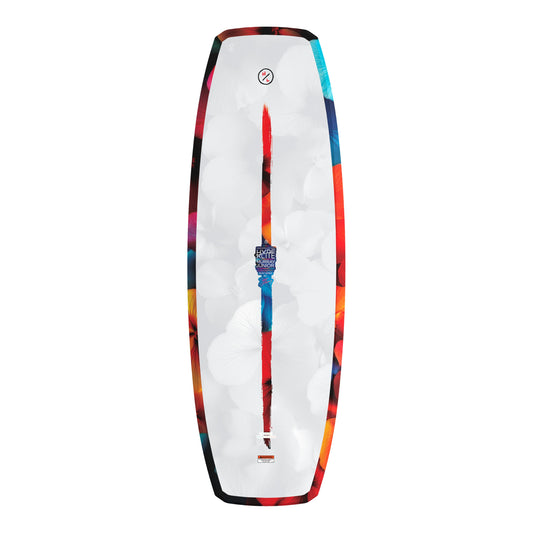
2027 Hyperlite Murray Jr. Girls Wakeboard
Vendor:HyperliteRegular price $649.99 AUDRegular price -

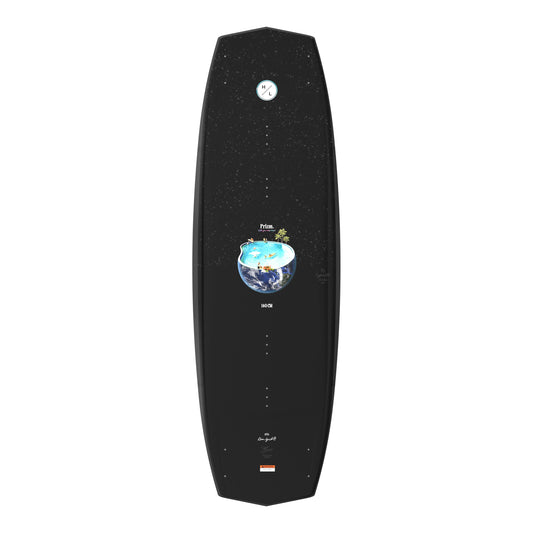 Pre-Order
2027 Hyperlite Prizm Wakeboard
Vendor:HyperliteRegular price $749.99 AUDRegular price -

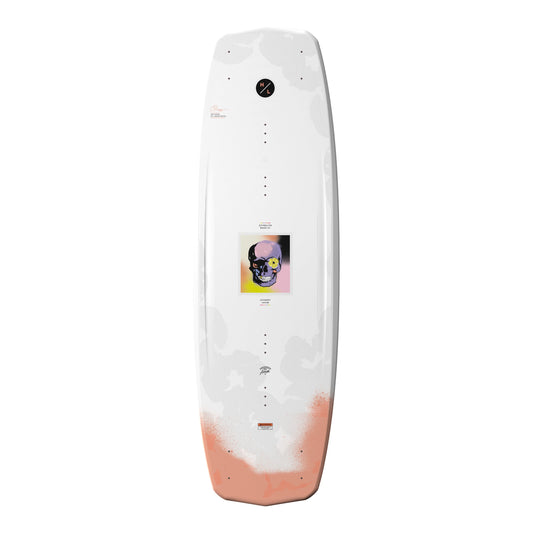 Pre-Order
2027 Hyperlite Journey Wakeboard
Vendor:HyperliteRegular price $749.99 AUDRegular price -

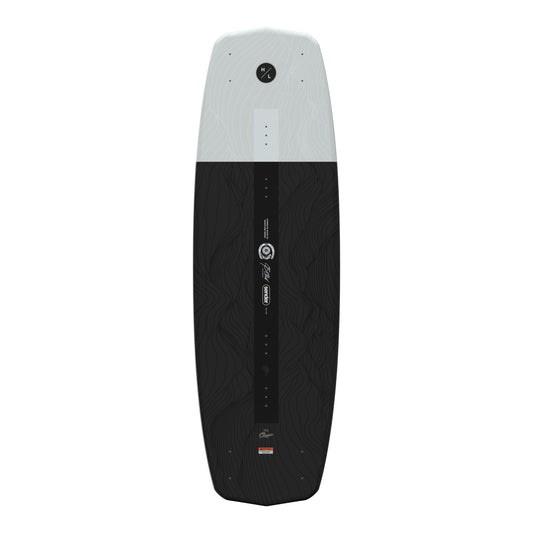 Pre-Order
2027 Hyperlite Sender Wakeboard
Vendor:HyperliteRegular price $749.99 AUDRegular price -

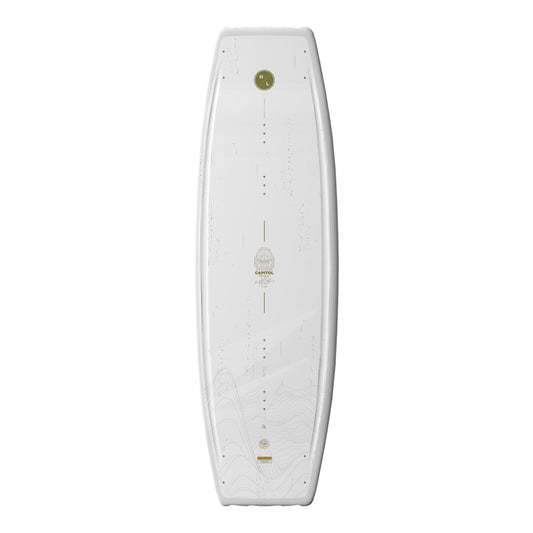 Pre-Order
2027 Hyperlite Capitol Wakeboard
Vendor:HyperliteRegular price $849.99 AUDRegular price -

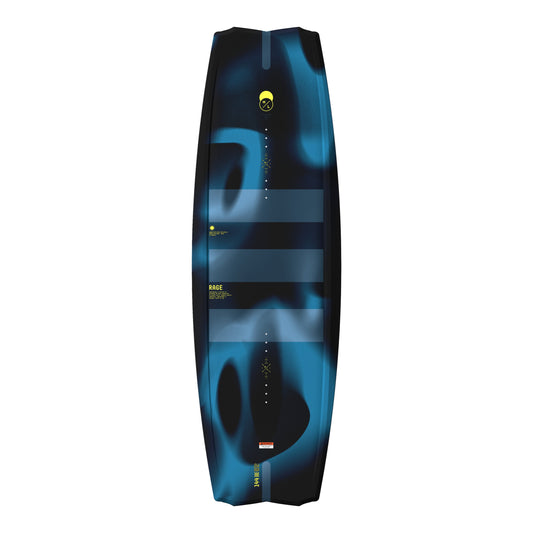 Pre-Order
2027 Hyperlite Rage Wakeboard
Vendor:HyperliteRegular price $849.99 AUDRegular price -

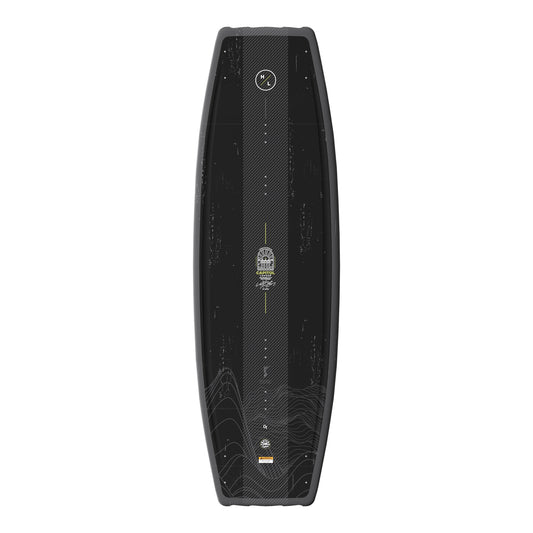 Pre-Order
2027 Hyperlite Capitol Loaded Wakeboard
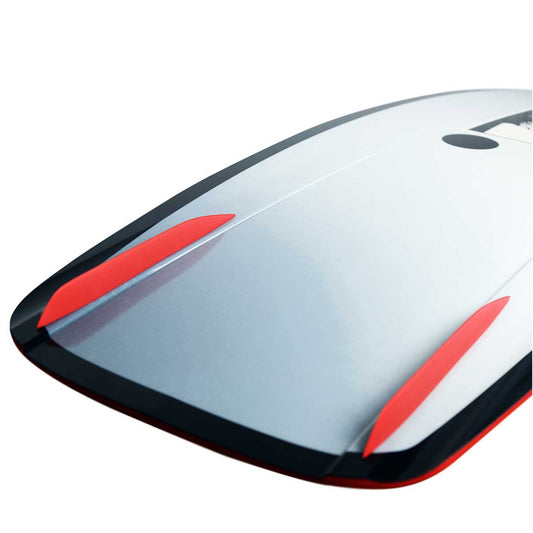
Vendor:HyperliteRegular price $1,499.99 AUDRegular price








When you've put in the hours and you know what you want from a board, the gear you ride starts to matter a lot more. Advanced wakeboards are built around specific performance goals — whether that's maximum vertical pop off the wake, buttery flex for pressing rails at the cable park, or a stiff, carbon-reinforced platform that transfers every edge into speed and control. This collection is for riders who are ready to stop compromising.
Behind the boat, the Ronix RXT and One Blackout Technology boards are two of the most talked-about pro-level shapes on the market right now. The RXT's Pre-Tension Glass construction preloads the fibres before moulding, giving you a stiffer, more reactive launch while keeping landings soft and predictable — a combination that's genuinely hard to find. The Ronix One is celebrating its 20th season and still delivers the kind of vertical hangtime that made it legendary. If you're riding Liquid Force, the Ethos brings a hybrid PU and Paulownia core reinforced with unidirectional carbon for explosive 3-stage pop, while the Remedy Aero — Harley Clifford's pro model — is one of the lightest and most responsive boat boards in the range.
For cable and park riders, the options here are just as serious. The Slingshot Coalition has been the gold standard of cable wakeboards for over a decade, with chined rails that slide across uneven surfaces like butter and a flex pattern that rewards technical riding. The Liquid Force Butterstick Pro and Grail are both built around CNC Paulownia cores and FlexTrack mounting systems for natural board flex and effortless presses. DUP's BPM Pro, Chil V, and SDR Pro are the picks for riders who want European park performance — flat line construction, Paulownia timber cores, and Dyna6 bases that are fast, durable, and built for progression. Double Up's NO1 and Delta Co. A.P.C boards take a different approach entirely, using carbon composite construction and a near-zero-flex profile for riders who want precision and power without any energy loss.
We're an Australian wake shop and we know the scene. Melbourne riders are out at spots like Lysterfield, Jells Park, and the Yarra Valley, while Sydney's cable parks and boat sessions on the Hawkesbury and Nepean rivers keep the local wake community busy year-round. Whether you're chasing your first 900 or dialling in your rail game, we can help you find the right board for where you're at and where you're headed.
Not sure which board suits your riding style or your local setup? Get in touch and we'll point you in the right direction.